Industrial ergonomics
MSD prevention at work in Ontario is mostly about the job, not a poster
Published
Musculoskeletal disorders, the strains and sprains and gradual-onset aches that show up in backs, shoulders, necks, and wrists, are still among the more common workplace injuries in Ontario. Employers already have a duty under the Occupational Health and Safety Act to take reasonable precautions, and MSD hazards sit inside that duty. We are not writing a legal opinion here. We are interested in what actually changes the risk.
A poster in the lunchroom about "lifting with the legs" is not a program. A program looks at the work.
Find the hazards where people work
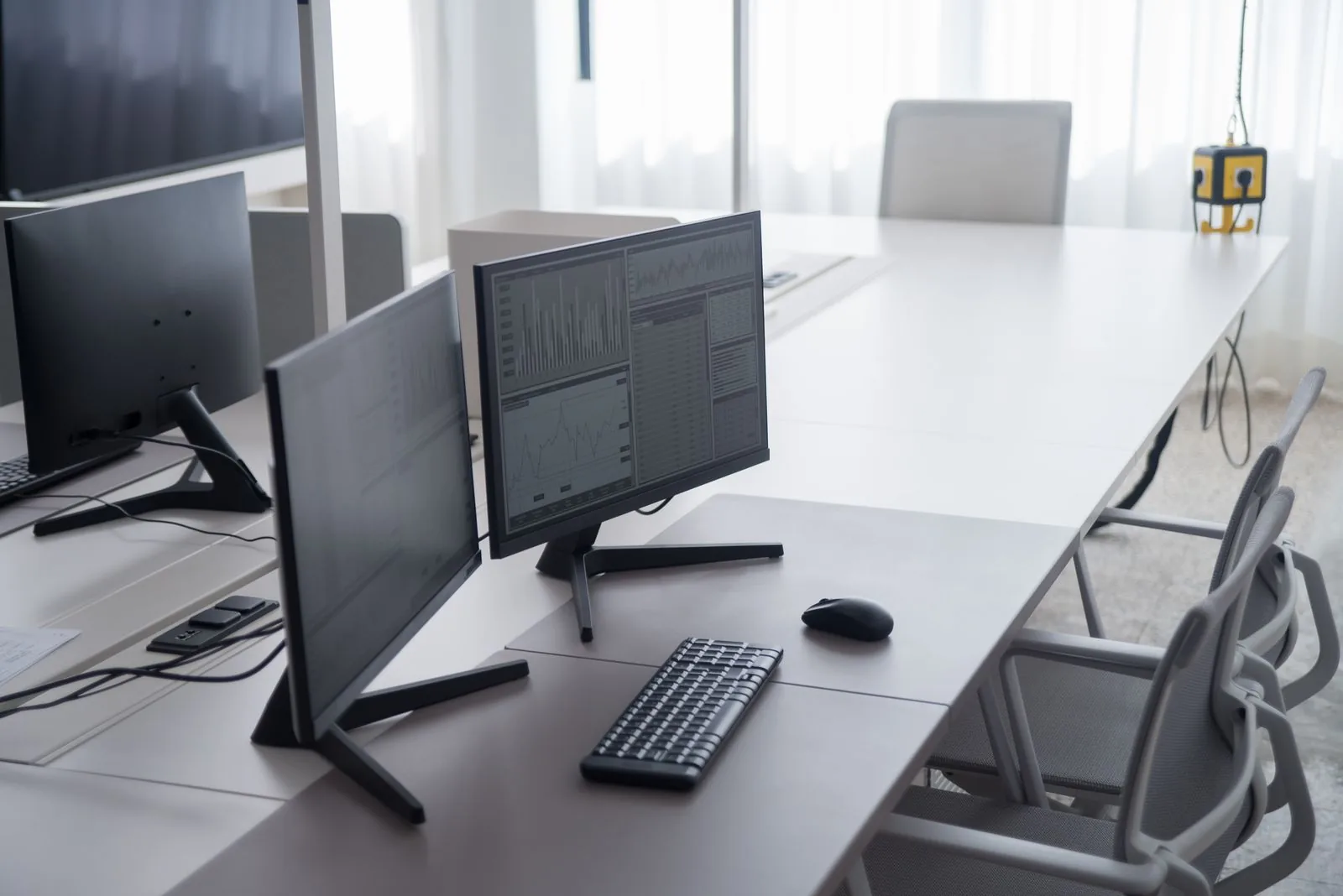
Awkward postures, force, repetition, and long periods in one position are the usual building blocks. They look different in an office and on a plant floor, but the idea is the same. A desk that keeps wrists bent all day is an MSD hazard. So is a pallet slot that lives at mid-shin, or a line that requires a twist on every cycle. You find these by watching the job, asking people where they feel it, and looking at any patterns in discomfort reports or claims. You do not find them only in a binder.
Ontario has published MSD prevention guidance for years, and many workplaces already have pieces of it: a joint health and safety committee, a reporting process, a training module. The gap we see is often between the paperwork and the station.
New equipment can create new hazards if nobody checks the fit. A faster line, a larger tote, or a floor of sit-stand desks that were never set will show up in shoulders and backs a month later. Build a simple review into changes of layout or process, the same way you already do a safety check for other hazards. It does not have to be a long project. It has to happen before the new way of working hardens.
Small workplaces sometimes assume MSD prevention is a program for large plants. The duty is not limited that way, and the practical work is the same at a ten-person office in the GTA: look at the jobs, fix what you can, and train people on the rest. You do not need a thick manual. You need an honest look at the desks and the handling tasks you already have.
Change the work, then train for what is left
If a tote is always heavy and always low, slotting, a lift table, or a smaller order size will do more than another demonstration lift. If a floor of monitors sits too low, raise them. Training still matters, especially for skills like setting a chair or setting up a lift. It works best as a complement, not as the only control.
This is the order we use in a workplace ergonomic assessment in Toronto, Vaughan, and across the province: see the work, recommend changes in a useful order, and then, where it will help, train the people who have to live with the job as it is now and as it will be after the changes.
Involve the people who do the job
They already know which reach is the worst one, and which "temporary" layout is still there six months later. Supervisors need to be in the conversation too, because they decide whether a mechanical aid is "too slow" and whether a short pause to reset a station is allowed. A prevention effort that never leaves the health and safety office will not reach the pallet.
If you want help turning a general MSD policy into a look at actual jobs, get in touch. Tell us whether you are starting from complaints, from a committee request, or from a wish to check a new line before it is set in concrete. We will start with the work, and we will keep the report in language you can use.